
Is Electric Fencing Worth It for Durban Homes? Costs & Benefits
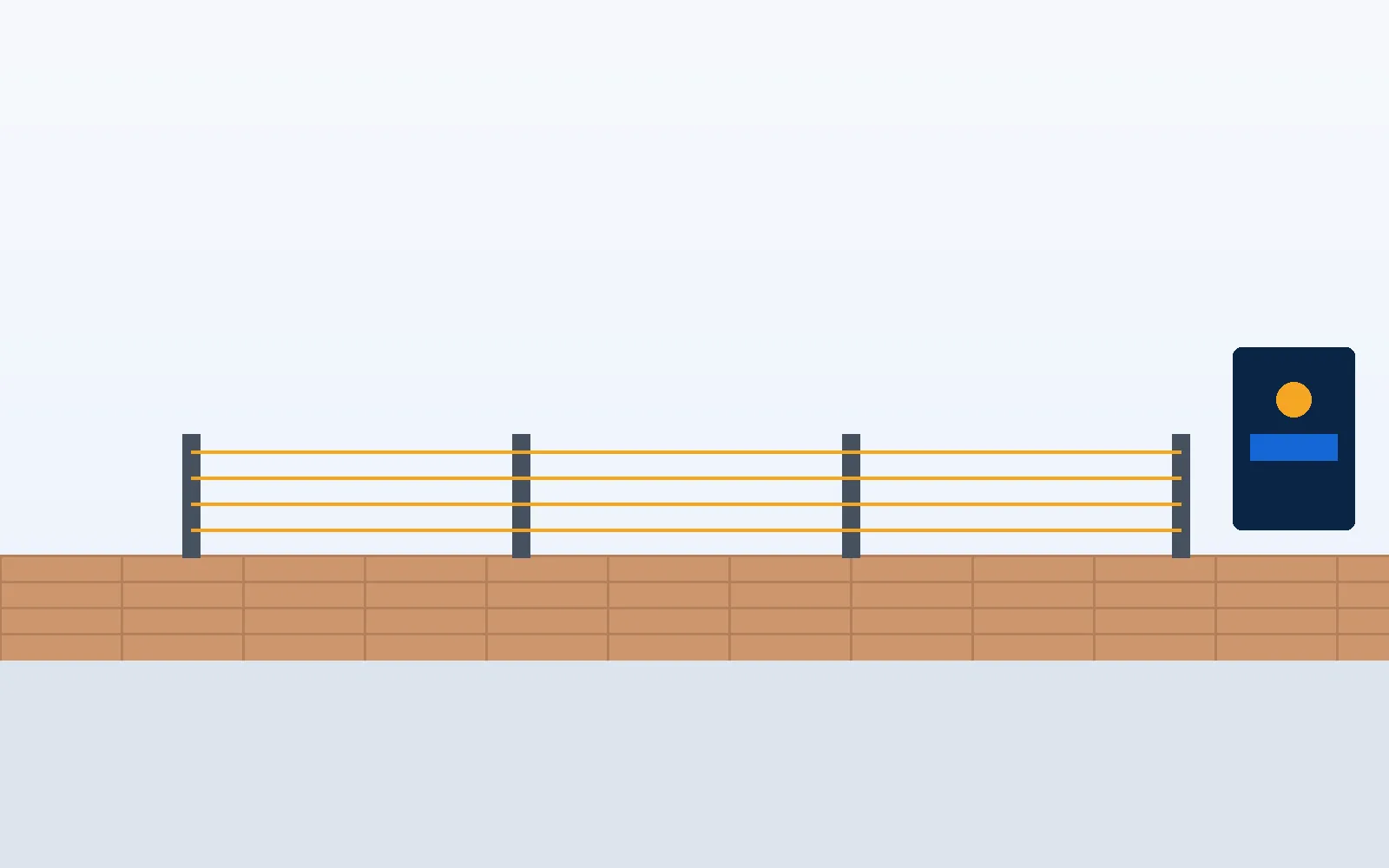
Electric fencing is a meaningful investment, so it’s worth understanding what you’re actually paying for before committing. Here’s a straightforward look at the costs and the security benefit.
The Short Answer
Wall-top electric fencing for an average Durban home costs from around R4,500 to R7,000 installed, and remains one of the most effective visible deterrents against opportunistic break-ins when installed to SANS 10222 standards and properly maintained.
What You’re Actually Paying For
An electric fence installation isn’t just wire and a battery box. A compliant system includes a correctly sized energizer, insulated wire spaced and tensioned to SANS 10222 requirements, proper earthing, required warning signage, and ideally, zone monitoring so a fault or trip can be traced to a specific section of the perimeter.
Does It Actually Deter Break-Ins?
Electric fencing works primarily as a visible and physical deterrent. Most opportunistic intruders look for the easiest target, and a property with a visibly maintained electric fence, correct signage, and an audible alarm trip signals a harder target than a property without one. It’s not a guarantee against a determined, planned intrusion, but as one layer in a broader security approach — alongside CCTV and an alarm system — it meaningfully raises the effort required to get in undetected.
Wall-Top vs Freestanding: Cost Difference
Wall-top fencing, fitted along an existing boundary wall, is the cheaper option since it uses your existing structure. Freestanding fencing, which needs its own posts set into the ground, costs more due to the additional groundwork and materials, but is the only option for properties without a solid boundary wall.
Ongoing Costs to Budget For
Electric fencing isn’t a once-off cost with zero maintenance. Budget for occasional wire tensioning as fences settle over time, energizer servicing or replacement after several years, and repairs if vegetation growth or storm damage causes a fault. A fence that’s stopped working (and hasn’t been noticed) provides no security benefit at all, so it’s worth testing your system periodically.
Is It Worth It?
For most Durban homes, particularly those without existing perimeter security, the upfront cost is generally considered worthwhile given the deterrent value and potential insurance premium benefit. Homes already running CCTV and an alarm system may find electric fencing is the natural next layer rather than a first priority. If you’re weighing options, our team can walk your property and give an honest recommendation rather than a one-size-fits-all quote.
Frequently Asked Questions
How long does electric fencing last before it needs replacing?
A well-installed and maintained system can run for 10 to 15 years, though energizers and certain wire sections may need replacing sooner depending on weather exposure and usage.
Does electric fencing increase home insurance discounts?
Many insurers offer premium discounts for homes with compliant electric fencing and alarm systems, though the exact discount varies by insurer and should be confirmed directly with your provider.
Is electric fencing dangerous to pets?
Compliant systems are designed to give a short, sharp deterrent shock rather than a sustained dangerous current, and most pets learn to avoid the fence line after limited exposure. Signage and correct installation height help reduce accidental contact.
Need a hand from a real installer?
Get a free quote on WhatsApp — most Durban jobs are booked same-day.